
Export6 min read
Importing packaging from Türkiye into the EU: a practical guide
The EU–Türkiye Customs Union, the A.TR certificate, Incoterms and the questions to ask before your first packaging order from a Turkish supplier.
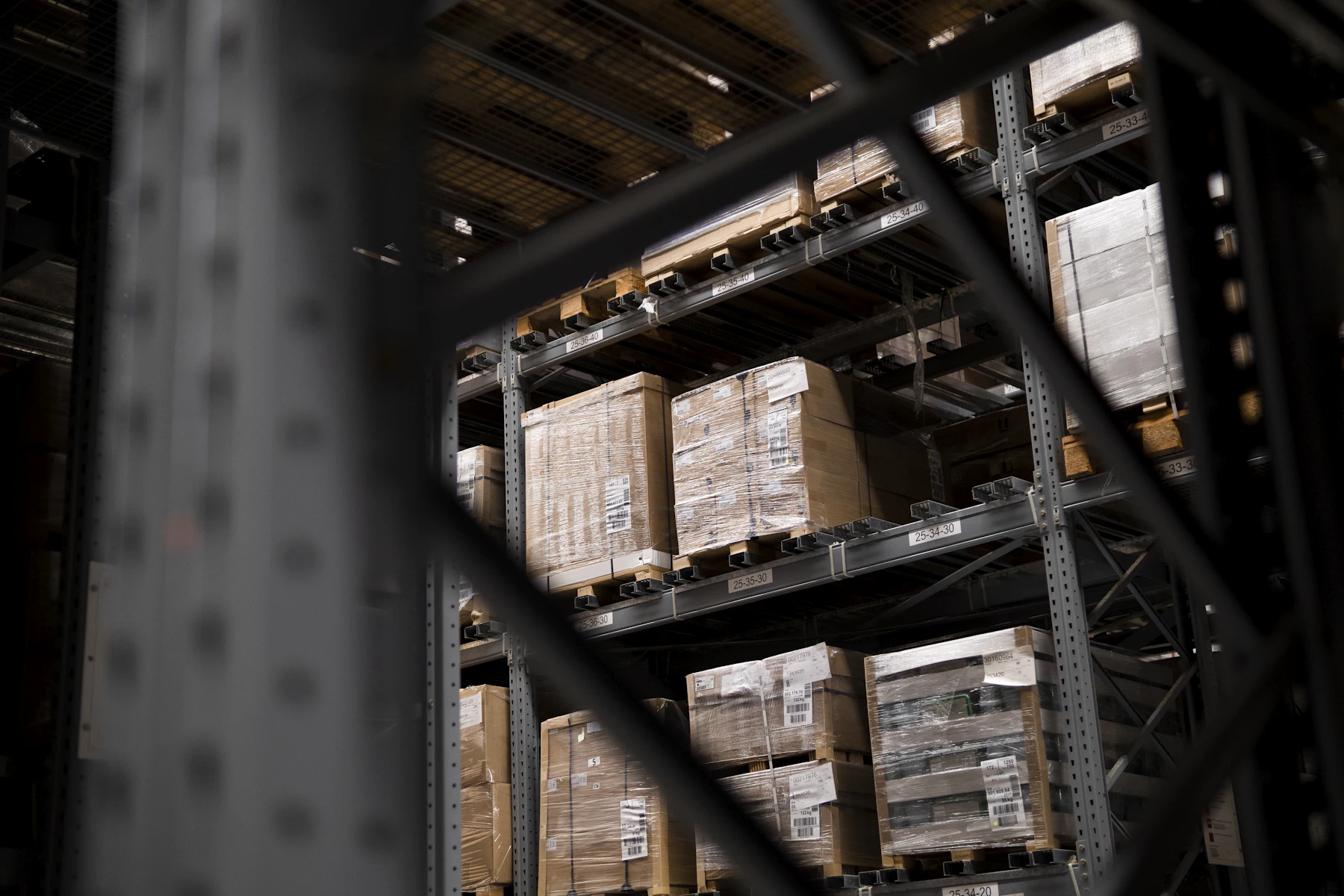
More European buyers are looking at Türkiye for packaging. Shorter supply lines than Asia, road access to most of Europe and a large paper and packaging industry all play a part. If you have not imported from Türkiye before, the process is straightforward once you know the main steps.
This guide covers the essentials. It is general information, not legal or customs advice. Always confirm the details for your own goods with your customs broker.
The EU–Türkiye Customs Union
Türkiye and the European Union have been in a customs union for industrial goods since 1996. In practical terms, this means that most industrial products, including paper and corrugated packaging, can move from Türkiye into the EU without customs duty, provided they are in free circulation and accompanied by the right document.
That document is the A.TR movement certificate.
What the A.TR does
The A.TR confirms that the goods are in free circulation in Türkiye and qualify for the customs union arrangement. Your supplier prepares it with the export paperwork, and your customs broker presents it on import.
Two points to keep in mind:
- The customs union removes customs duty, not import VAT. VAT is still due in your country under its normal rules.
- Agricultural products and certain other goods are outside the customs union. Packaging is usually an industrial product, but check the classification of what you are buying.
Other origin documents
If you are importing into a country outside the EU, a different document may apply, such as an EUR.1 certificate or a standard certificate of origin. The right one depends on the destination and any trade agreement in place.
Classifying your packaging
Customs classification uses the Harmonised System (HS). Cartons, boxes and cases of corrugated paper or paperboard generally fall under HS heading 4819. Your broker will confirm the full code for your country's tariff, which matters for statistics, VAT and any product-specific rules.
Ask your supplier to put clear product descriptions and HS codes on the commercial invoice. It saves time at the border.
Choosing an Incoterm
Incoterms define who arranges and pays for each stage of transport and where the risk passes from seller to buyer. The most common choices for packaging imports are:
- EXW (Ex Works): you collect from the factory. Gives you full control, but your forwarder must also handle Turkish export formalities.
- FCA (Free Carrier): the supplier clears the goods for export and hands them to your carrier. Often a cleaner choice than EXW for international buyers.
- FOB (Free On Board): for sea freight. The supplier delivers the goods on board the vessel at the Turkish port.
- CFR / CIF: the supplier arranges sea freight to your port. CIF also includes cargo insurance.
- DAP (Delivered At Place): the supplier arranges transport to your address. You handle import clearance and duties or VAT.
If you already have a freight forwarder you trust, FCA or FOB keeps transport in your hands. If you want a single price to your door, ask for DAP.
What to ask a packaging supplier
Before placing a first order, these questions will tell you a lot about how the project will run:
- Can you send a structural prototype and a print proof before production? You should approve both before anything is made.
- What is the minimum order for this specification? MOQs depend on size, print method and board, so ask for your specific box.
- How will the goods be packed and palletised? Ask about bundle counts, pallet size and whether pallets are heat-treated to ISPM 15.
- Which documents will come with the shipment? Expect a commercial invoice, packing list, the A.TR or origin document, and a CMR or bill of lading.
- How are lead times confirmed? A good supplier gives a production date with the order and tells you early if it changes.
- What information can you provide for our sustainability reporting? Material type, recycled content where known and recyclability are increasingly requested by customers and regulators.
Planning for the first shipment
A first order has more steps than repeat orders. Allow time for prototypes, proofs and any adjustments before production. Once the specification is approved and the first delivery has arrived, repeat orders become much simpler: same dieline, same print plates, same documents.
Also check that your company has an EORI number for importing into the EU, and agree with your broker in advance who will handle the import declaration.
Looking ahead: packaging regulation in the EU
The EU Packaging and Packaging Waste Regulation (PPWR) is changing expectations around recyclability, empty space in packaging and material use. Whatever your source country, it is worth reviewing your packaging with these principles in mind. Right-sized, mono-material corrugated packaging is generally well placed.
Ready to start?
If you are considering Türkiye as a packaging source, we are happy to walk you through the process for your products. Request a quote with your specification and destination, or read more about our export and logistics process.